Concrete Driveways
How to Care for a Concrete Driveway in the Tweed Climate
How to keep a concrete driveway looking new in Tweed Heads — sealing, cleaning and simple habits that extend its life through UV, salt air and summer storms.
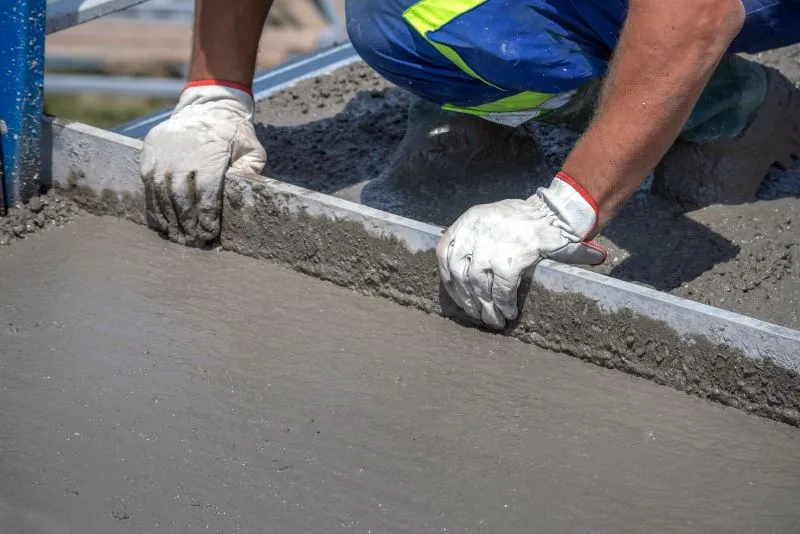
A concrete driveway installed properly should last 25 to 30 years or more. But in the Tweed subtropical climate — with intense UV, heavy summer rainfall, and salt air rolling in from the coast — the surface will look and perform much better with a small amount of routine care. This guide covers the maintenance basics that actually matter.
Why maintenance matters in this climate
Tweed Heads driveways deal with three things that most Australian driveways don’t experience to the same extent: sustained UV exposure that breaks down surface sealers, short intense rainfall events that saturate the subbase and push water across the surface, and salt air that accelerates surface deterioration on anything that isn’t specifically rated for coastal conditions.
None of this is catastrophic on its own. But over five to ten years, an unmaintained surface will look tired, develop surface pitting, and lose its finish long before the concrete underneath has any structural issues. A quality concrete driveway built with the right mix design will hold up structurally — the maintenance work protects the visible surface.
Cleaning: keep it simple
The most effective driveway maintenance is also the cheapest — regular cleaning.
- Sweep or blow the surface every few weeks to remove leaves, garden debris, and grit that can grind into the surface underfoot or under tyres.
- Hose down oil spills as soon as you notice them. Fresh oil comes off with dish soap and a stiff brush. Old oil that’s been baked into the surface by UV is much harder to remove.
- Pressure wash once a year, ideally before summer, to strip built-up grime, moss, and mould. Keep the wand a reasonable distance from the surface — too close and you can etch textured finishes like exposed aggregate.
That’s the entire routine. Nothing exotic, nothing expensive.
Sealing: worth doing every five to seven years
Sealing is optional on a plain broom finish but strongly recommended on any decorative finish — exposed aggregate, coloured concrete, or stamped concrete. The sealer provides a protective layer that keeps water out of the surface pores, preserves the colour, and makes cleaning easier.
Most sealers last five to seven years in the Tweed climate before they start to break down. Signs it’s time to reseal:
- Water no longer beads on the surface
- Colour looks faded compared to the shaded parts of the driveway
- The finish feels rougher underfoot than it used to
Resealing is not a DIY-friendly job on decorative finishes — proper prep and application makes a big difference to how long the new sealer lasts. If your driveway is showing the signs above, a professional resealing job will typically cost a fraction of what a full driveway resurfacing would.
Watch for early signs of problems
Regular cleaning gives you a chance to spot problems early. Look for:
- Hairline cracks wider than 2mm — usually cosmetic, but worth noting where they appear
- Rust stains — can indicate reinforcement corrosion, worth having checked
- Ponding water — points to drainage issues or a settlement that will only get worse
- Surface flaking or spalling — indicates a sealer failure or mix issue
Small issues caught early are cheap to fix. Left alone, most of them get more expensive fast. If you’re seeing anything unusual, a quick inspection is worth the effort.
When to consider resurfacing
If your driveway is structurally sound but the surface has aged badly — heavy staining, worn finish, faded colour — driveway resurfacing is a much cheaper option than a full replacement. A resurfacing job overlays a new decorative finish onto the existing slab and can extend the visible life of the driveway by another decade or more.
Resurfacing works when the underlying concrete is sound. If there are significant structural cracks, settlement, or subbase failures underneath, a fresh pour is the better call. A good concreter will tell you honestly which one your driveway needs. To get a professional opinion on your driveway’s condition, contact us for a free site inspection.
Frequently asked questions
How often should I reseal my driveway?
Every five to seven years for decorative finishes; plain broom-finish driveways can often go longer between reseals or skip sealing entirely.
Can I use household bleach to clean concrete?
Diluted bleach works well for mould and mildew on plain grey concrete, but it can dull coloured or stamped finishes. Always test in an inconspicuous area first.
Is a concrete driveway hard to maintain compared to pavers or asphalt?
No — it’s genuinely the lowest-maintenance option of the three. Pavers need re-sanding every couple of years and are prone to weed intrusion; asphalt needs resealing regularly and softens in the heat. A concrete driveway with basic care needs almost no ongoing attention.